Water Damage Restoration Services
Certified Water Damage Restoration
When water enters your home or business—whether from storms, burst pipes, or rising floodwaters—immediate action is critical. At Restoration Solutions by Elite, we provide 24/7 water damage restoration in San Antonio, TX, backed by certified expertise and advanced tools. From initial water extraction to structural drying and humidity monitoring, our team helps you recover quickly and safely. We’re fully licensed, IICRC and NORMI certified, and trusted across Bexar County for residential and commercial restoration.
Our Services
We provide a full range of restoration services to help homeowners and businesses in San Antonio and surroundings recover from flooding, hurricanes, burst pipes, and other water-related disasters:
-
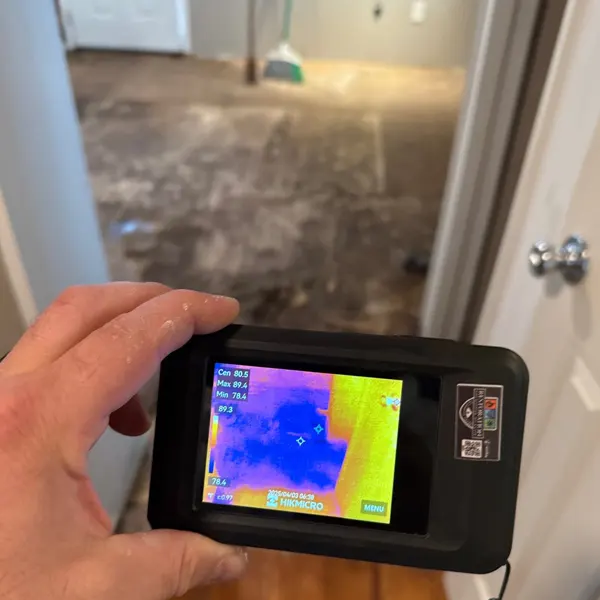
Water Damage Assessment – Identify the water source, affected areas, and scope of damage using advanced moisture detection tools
-
Water Extraction – Rapid removal of standing water to prevent deeper damage and mold growth
-
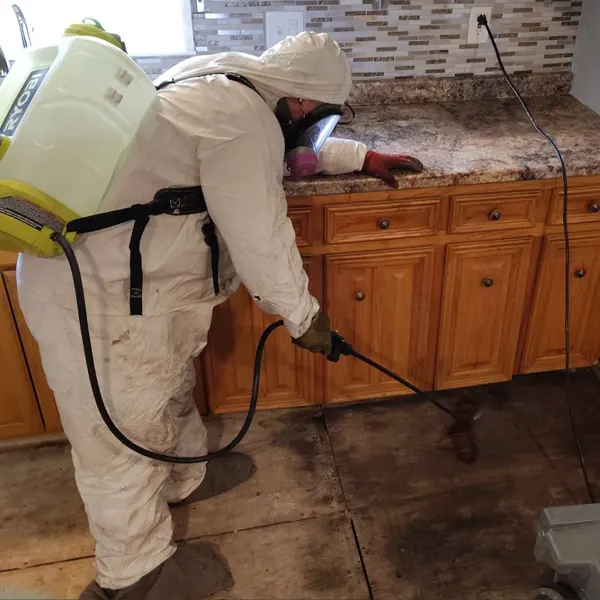
Mold Removal – Certified remediation to eliminate mold and restore indoor air quality
-
Structural Drying – Dry walls, floors, and internal structures with commercial-grade equipment
-
Contents Restoration – Recover and clean salvageable items like furniture, electronics, and documents
-
Dehumidifying & Monitoring – Regulate humidity levels and monitor moisture to ensure a full, safe dry-out
Our team is fully IICRC, NORMI, and EPA Lead certified, and we use industry-leading tools such as FLIR thermal imaging, Matterport 360° scanning, and Xactimate estimating software. We provide detailed documentation for adjusters and insurance carriers, ensuring transparency, accuracy, and faster claim support.
Water Damage Assessment
Our certified team inspects your property to identify where water has infiltrated, how far it has spread, and what materials are at risk. We document all findings and create a targeted restoration plan to stop further damage, prevent mold growth, and protect your home’s structure.
What this includes:
-
Moisture mapping using thermal and digital sensors
-
Identification of hidden water inside walls, floors, and ceilings
-
Damage grading to support insurance claims
-
Customized action plan for mitigation and recovery
Water Extraction
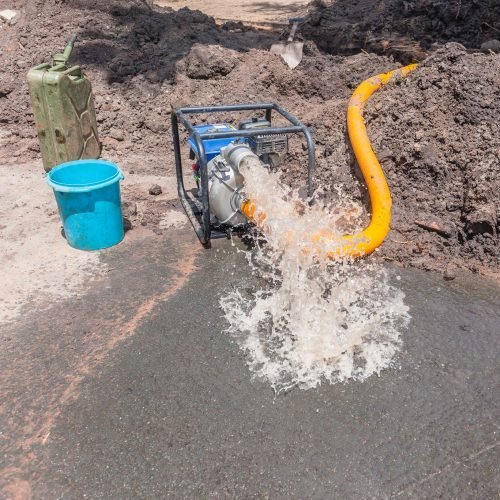
Removing standing water is the first and most urgent step in the restoration process. Our team uses commercial-grade pumps and vacuums to extract water quickly and thoroughly. Delays can lead to severe structural issues, mold growth, and increased repair costs—especially after hurricanes or flash flooding.
What this includes:
-
Rapid removal of standing water from floors, walls, and crawlspaces
-
Use of high-capacity extraction equipment for speed and efficiency
-
Immediate response to prevent secondary damage and mold formation
-
Thorough evaluation post-extraction to begin drying phase
Structural Drying
After water extraction, the next critical step is drying the internal structure—walls, subfloors, framing, and insulation. Our team uses industrial air movers and dehumidifiers to ensure every affected area is completely dried. Incomplete drying can trap moisture behind surfaces, leading to hidden mold and costly structural repairs.
What this includes:
-
Targeted drying of walls, studs, floors, and cavities
-
Use of commercial-grade air movers and desiccant dehumidifiers
-
Continuous moisture level tracking to ensure full dry-out
-
Prevention of long-term warping, mold, and material breakdown
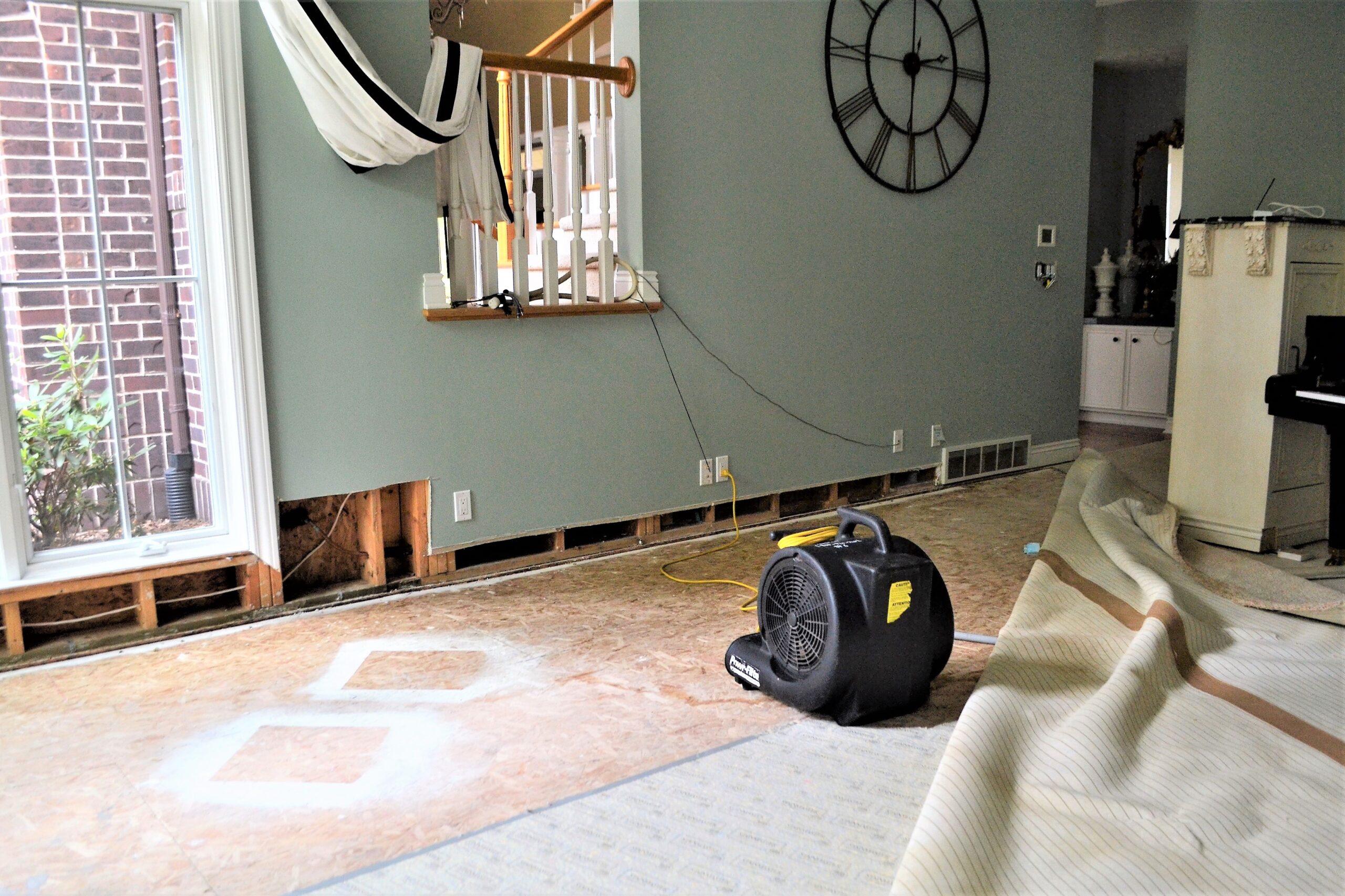

Structural Dehumidifying and Monitoring
After a flood or major water intrusion, high humidity can linger inside walls, ceilings, and air ducts—even after visible water is gone. Our team deploys professional-grade dehumidifiers to remove trapped moisture and closely monitors humidity levels until your structure reaches safe, dry conditions.
What this includes:
-
Placement of high-efficiency dehumidifiers in key areas
-
Continuous monitoring using calibrated moisture meters
-
Daily reporting to track progress and confirm dry-out completion
-
Prevention of mold growth and material deterioration due to humidity
Frequently Asked Questions
Are There Any Preventative Measures I Can Take Against Future Water Damage?
Consider installing proper drainage systems, maintaining your plumbing regularly, sealing any cracks in your foundation, and ensuring adequate ventilation in high-moisture areas. Additionally, regular inspections and prompt repairs can help prevent future water damage.
How Does the Insurance Claims Process Work with Your Services?
Restoration Solutions By Elite simplifies the insurance claims process by assisting clients every step of the way. From documentation to liaison with insurance companies, we ensure a smooth and hassle-free customer experience.
Can Water Damage Restoration Help Prevent Mold Growth?
Water damage restoration can help prevent mold growth by quickly drying affected areas. Timely intervention reduces moisture levels, inhibiting mold proliferation.
What Is the Typical Duration for Water Damage Restoration?
The typical duration for water damage restoration varies based on the damage’s extent and the affected area’s size. Complete restoration can take a few days to several weeks. Factors like water category, contamination level, and structural damage influence the timeline.
How Quickly Can Restoration Solutions By Elite Respond?
Restoration Solutions By Elite responds swiftly with 24/7 emergency assistance. Our team conducts an immediate damage assessment, followed by rapid water extraction, drying, cleaning, and restoration processes to minimize further damage efficiently. Time is of the essence in our comprehensive response plan.
What Should I Do Immediately After Water Damage?
After water damage, act fast. First, ensure safety by turning off electricity. Then, document the damage for insurance purposes. Contact a professional water restoration company promptly to mitigate further harm and start the cleanup process.
How do you know if water damage is permanent?
In the event of water damage, taking action quickly is essential to prevent further harm. There are a few key signs that the damage may be permanent and irreversible, including severely damaged structures, compromised electrical systems, and the growth of black mold. These issues can pose severe risks to both the safety of your home and the health of those who live there. If you notice any of these signs, it’s crucial to contact a professional immediately to address the issue and prevent it from worsening.
What is the difference between remediation and restoration?
Remediation typically involves removing any hazardous materials and cleaning up the affected area to prevent further damage or health risks. On the other hand, restoration focuses on repairing the damage and bringing the property back to its original state before the damage occurred. It’s essential to address both aspects of the process to ensure a safe and complete recovery from any type of damage.
How long to run fans after water damage?
It’s important to take immediate action after water damage occurs in order to prevent further damage and mold growth. One recommendation is to keep fans running for at least 24 hours, although the duration may vary depending on the extent of the damage and humidity levels. Monitoring the humidity levels and ensuring they stabilize is crucial in preventing further damage. Don’t hesitate to seek professional assistance to ensure the best possible outcome.
What not to do after water damage?
It’s important to prioritize safety when dealing with water damage in your home. Using a vacuum to remove water can be dangerous, especially if you’re standing on a wet floor. It’s also advisable to avoid turning on any appliances in the damaged room. Additionally, it’s crucial to be cautious when entering rooms with sagging ceilings, as this could indicate water damage from above. Taking the time to carefully assess the situation before entering can help ensure your safety.
What are the financial implications of flooding?
Flooding causes over $5 billion in damages annually, with an average of 119 flood fatalities per year. Our dedicated disaster restoration services aim to address the immense economic and emotional toll of flooding.
How does flooding impact the structure of a property?
Flooding can lead to severe structural damage, compromising foundations and electrical systems. Our emergency restoration team swiftly addresses these issues to ensure safety and integrity.
What are the health risks associated with mold after flooding?
After flooding, mold can rapidly grow within 24 to 48 hours, posing health risks. Our experts use fans and dehumidifiers to dry affected areas, safeguarding your health.
Customer Reviews